
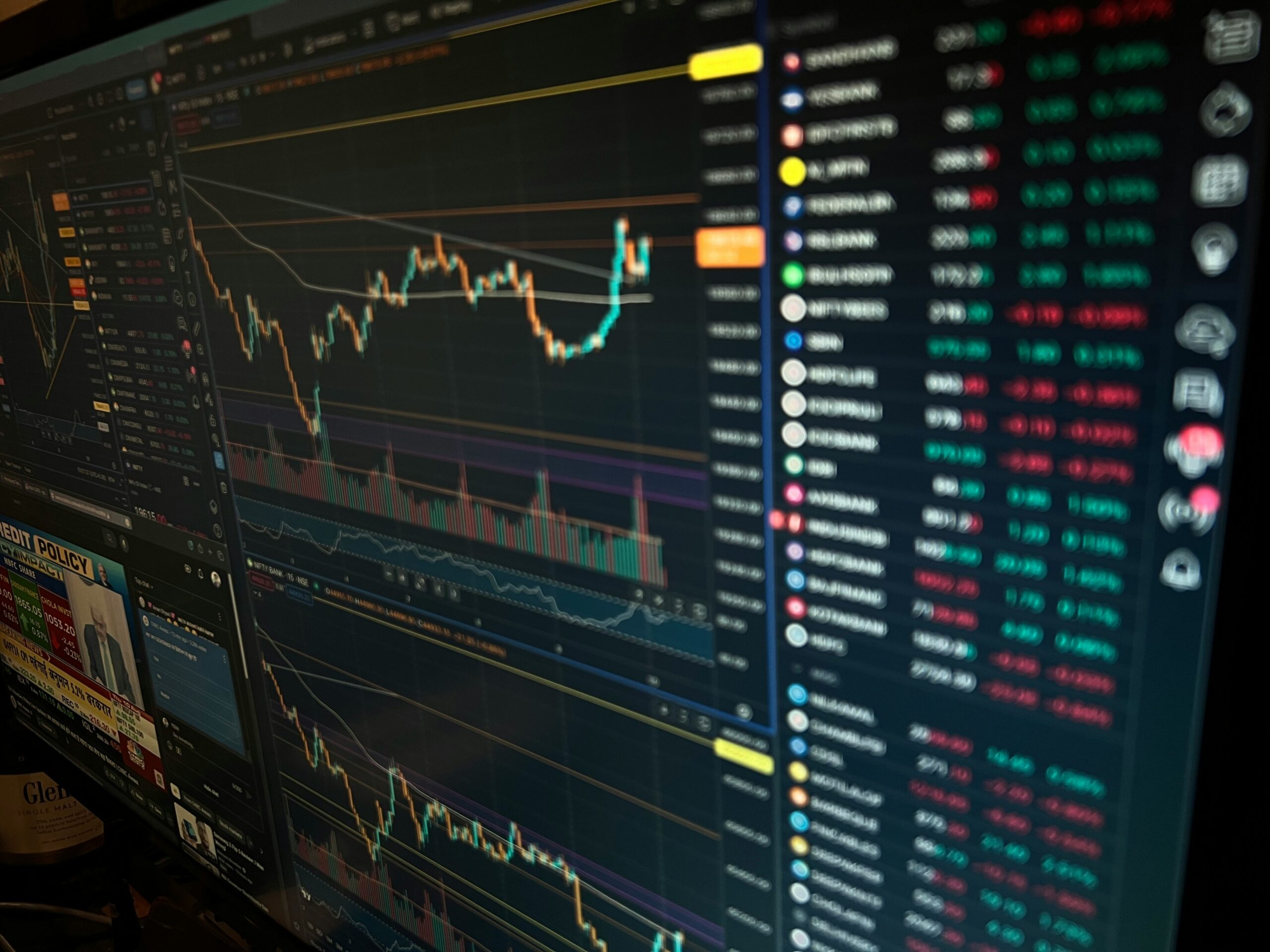
Every day, billions of dollars are exchanged, prices shift, and new chances present themselves in the stock market, which never sleeps. Following today’s stock market trends is essential for traders and investors alike to make informed decisions and safeguard their capital.
However, what really motivates these market movers? Why should you care, and how can you identify the businesses that are in the news? Knowing the factors influencing the day’s largest market movements will help you confidently navigate the complicated world of stocks, regardless of your level of experience.
In this blog, we’ll dissect the main forces behind today’s stock market movements, spotlight some noteworthy businesses that are making headlines, and offer advice on how to read these trends. By the conclusion, you’ll have a better understanding of current market conditions and how they may affect your portfolio.
Table of Contents
Stock Market Movers: What Are They?
In a nutshell, stock market movers are businesses whose stock prices fluctuate significantly over the course of a trading day, typically by a significant amount. A number of things, such as news events, economic data, earnings reports, or general market trends, may be the cause of these movements.
Certain stock movements are foreseeable because they are linked to planned releases, such as quarterly results. Others may come as a surprise as a result of breaking news or world events.
What Makes Today’s Market Movers Important?
Keeping tabs on today’s movers benefits you:
- Identify potential investments before others do.
- Recognize investor confidence and market sentiment
- Adapt your portfolio to market developments.
- Recognize volatile stocks to prevent possible losses.
You risk losing out on crucial signals that have an impact on your investments if you ignore everyday market movements.

Important Elements Influencing Today’s Stock Market Trends
Reports on earnings
A major catalyst is always the quarterly earnings season. Businesses disclose their earnings, sales, and projections for the future. Stock prices typically jump when expectations are exceeded, but they can also fall precipitously when they are missed. For instance, investors may rush to purchase shares of a tech firm if it reports higher-than-expected sales of its most recent product, which would swiftly raise the price.
Releases of Economic Data
Markets can be shook by reports on manufacturing, consumer spending, inflation, and unemployment. While negative data might lead to sell-offs, positive data frequently increases investor confidence. A robust jobs report, for example, could indicate a robust economy and raise market prices. On the other hand, growing inflation data may raise concerns about interest rate increases, which could induce market declines.
Industry News and Developments
Stocks in a particular industry may be impacted by sector-specific news. For instance, clean energy firms may experience favorable or unfavorable effects from new rules pertaining to renewable energy. Biotech stocks may rise in response to a significant advancement in healthcare, such as the FDA approving a new medication.
Events in Geopolitics
Market volatility is frequently caused by political events such as elections, trade negotiations, and conflicts. For instance, while escalations can lower markets, news of a reduction in trade tensions between two nations can boost stocks.
Upgrades and Analyst Ratings
Significant stock movements may result from changes in the price goals or ratings of prominent analysts. Since these comments represent expert evaluations of a company’s future, investors frequently pay great attention to them.
Highlights of Today’s Largest Stock Market Movers
Note: The following examples show average movers; for up-to-date information, see your favorite financial news source.
Tech Sector Leader Rises Following Beat Earnings
Driven by unprecedented sales of its new device, a leading technology company shocked investors by announcing better-than-expected quarterly earnings. Early trading saw a 7% increase in the stock as enthusiasm for its potential for expansion grew.
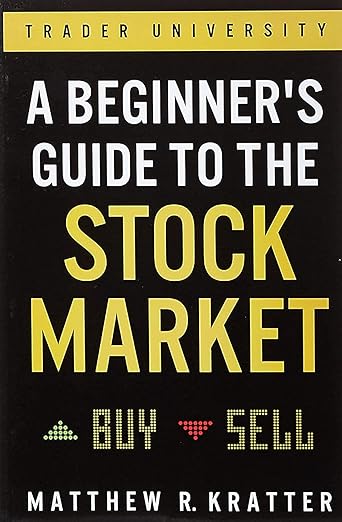
A Beginner’s Guide to the Stock Market: Everything You Need to Start Making Money Today
This book will teach you everything that you need to know to start making money in the stock market today.
Don’t gamble with your hard-earned money.
Amid supply chain challenges, a retail giant faces obstacles.
Conversely, after warnings about supply chain interruptions and rising expenses, a large retail chain suffered a 5% decline in its share price. Investors became concerned about the company’s cautious stance, which led to a sell-off.
Energy Stocks Rise in Response to Increasing Oil Prices
Energy firms frequently follow the price of commodities. Energy stocks rose today due to rising crude oil prices, with several exploration and drilling companies seeing 3-6% gains.
Biotech Company Increases After FDA Approval
Following the FDA’s approval of a new cancer treatment, the stock price of a smaller biotech business surged. For investors who are ready to take the chance, this type of news can result in enormous volatility as well as enormous profits.
How to Decipher Stock Market Trends
Examine More Than Just the News
You may be drawn to a stock that moves 10% in a day, but it’s crucial to know “why.” Did the business release its financial results? Is the market trending more broadly? Or is it really a short-term response to the news?
Think about momentum and volume
Strong investor interest is frequently indicated by high trading volume during price movements, giving the move greater significance. Low volume could be a sign of possible volatility and less conviction.
Assess the Market Context and Sector
Events that affect the entire market or industry might occasionally influence stock movements. For instance, energy stocks may typically rise in tandem with an increase in oil prices. You can prevent overreacting to single price swings by being aware of the larger picture.
Apply both technical and fundamental analysis
While fundamental analysis looks at market position, growth potential, and financial health, technical analysis looks at charts and price patterns. A more complete image can be obtained by combining the two.
Advice on Investing in Today’s Movers
- Use Reliable News Sources to Stay Up to Date: You may stay up to date on the most recent market movements by using real-time financial news websites and applications.
- Set Alerts: You may set price or volume alerts for particular stocks on a lot of trading platforms.
- Avoid Chasing the Market: Although abrupt price increases may be alluring, rash purchases may backfire. Do your homework before you take action.
- Diversify Your Portfolio: By distributing your investments among several industries and asset classes, you can guard against unexpected declines.
- Recognize Your Risk Tolerance: Some very volatile equities can fluctuate a lot. Invest only money you can afford to lose.
Deeper Dive: Using Real-World Examples to Understand Market Movers
How Market Excitation Is Driven by Earnings
Apple Inc. is among the best illustrations of how earnings announcements may influence the market. Investors closely monitor Apple’s sales numbers throughout earnings season, particularly for flagship devices like the MacBook and iPhone. Strong demand in emerging economies and higher-than-expected service sales helped Apple blow away revenue forecasts in a recent quarter. On the day of the announcement, the stock jumped by almost 5% as a result.
It’s not always good news, though. Shares of a firm like Netflix may fall precipitously, sometimes by double digits, if it reports weaker subscriber growth than anticipated.What’s the lesson here? Although earnings are a potent stimulant, how investors respond will rely on how well the figures match projections and forecasts for the future.
The Unexpected Effect of Economic Data on Stock Prices
Let’s say the government publishes a report indicating that inflation has increased more quickly than expected. At first glance, inflation appears to be a negative indicator of price increases. However, for certain equities, such as energy or commodities companies, inflation may result in increased earnings, which would raise their stock prices.
On the other hand, excessive inflation could fuel fears that the Fed would raise interest rates sharply, increasing the cost of borrowing and possibly delaying economic expansion. Interest rate-sensitive industries like technology and real estate may see sell-offs as a result of this anxiety.
The most important lesson? Stock market participants respond to both the basic data and the conclusions it suggests about the state of the economy and policy in the future.
Unexpected Market Movers
Even though well-known brands like Apple or Tesla frequently make news, smaller or less well-known businesses can have a significant impact due to acquisitions, court decisions, or technological advancements.
For instance, a small manufacturer of batteries for electric vehicles may enjoy a 20% increase in stock price upon the announcement of a cooperation with a large carmaker. Similar to this, biotech companies frequently undergo significant changes in response to the success or failure of clinical trials. Although these smaller players present opportunities, they also carry greater volatility and risk.
The Function of Psychology and Market Sentiment
Rather than objective evidence, market mood can occasionally drive changes in stock prices. Social media trends, hearsay, fear, and greed can all drive stocks to spike up or down.
The emergence of “meme stocks,” or businesses like GameStop and AMC, propelled by online groups supporting them, is a recent example. These actions, which are motivated by collective psychology, frequently violate conventional valuing logic.
It’s critical to comprehend these sentiment-driven actions. For short-term traders, they may offer possibilities, but there is also a chance of abrupt reversals.
How to Apply Today’s Trends to Your Investment Plan
Look for Trends Rather Than Just Specific Stocks
Seek out market-wide or industry-wide trends rather than chasing individual winners. For example, it could be a good idea to look more widely at the renewable energy sector if stocks are increasing as a result of changes in government policy.
Keep an eye on the earnings calendars
Mark important dates to help you prepare for earnings seasons. You can predict possible market movers by being aware of when big corporations release their reports.
Employ Stop-Loss Directives
Use stop-loss orders to reduce possible losses if you invest in risky equities. If prices fall below a certain threshold, this immediately sells your shares.
Strike a Balance Between Stability and Growth
Mix more reliable dividend-paying businesses with high-growth, possibly erratic stocks. The fluctuations in your portfolio can be mitigated by this equilibrium.
Global Events’ Effect on Today’s Movers
Rapid changes in the market can be brought about by pandemics, natural disasters, and world politics. For instance, during the COVID-19 epidemic, technology and healthcare equities increased while travel and hospitality companies fell.
Similar to this, geopolitical concerns like trade wars or disagreements can frighten markets and cause abrupt changes in the prices of specific industries, such as manufacturing, energy, or defense. Investors are keeping a close eye on inflation, interest rate fluctuations, and geopolitical risks these days because they have a significant impact on daily market movements.
The Increasing Impact of Technology on Market Trends
These days, artificial intelligence and algorithmic trading have a significant impact on market movements. Price movements are amplified by these automated algorithms, which evaluate enormous volumes of data and execute trades in milliseconds.
Liquidity and efficiency are brought about by this, although volatility may also rise, particularly in smaller stocks or during news events. Investors can maintain composure during abrupt swings by realizing that technology is mostly responsible for everyday market movements.
Conclusion: Leveraging Today’s Market Trends
The daily movements of the stock market provide insight into the state of the economy, investor sentiment, business performance, and world events. You may make more informed investing choices if you keep an eye on these variables and comprehend what causes notable price fluctuations.
Do not assume that every significant event is an opportunity to purchase or sell. Sometimes it’s an opportunity to take stock, do some research, and consider your long-term objectives.
Keep yourself updated, follow reliable news sources, keep an eye out for trends, and never forget the larger economic picture. Although the market moves quickly, you can confidently navigate today’s stock market movers if you have the right information and patience.